Roman Shades vs Cellular Shades Sugar Land | Expert Comparison 2026
Roman Shades vs Cellular Shades Sugar Land | Expert Comparison 2026
Sugar Land's brutal summer sun demands window treatments that work as hard as they look. Here's how roman and cellular shades compare for your living room.
When your Sugar Land living room hits 95°F despite the AC running full blast, you’re not just uncomfortable—you’re watching your CenterPoint Energy bill climb by the hour. That wall of windows facing your backyard in Riverstone or Telfair looked stunning in the model home. Now it’s a heat funnel that makes your open floor plan feel like a greenhouse from May through September.
Choosing between roman shades and cellular shades isn’t just about aesthetics for West Houston suburb homeowners. It’s about finding the balance between controlling that intense solar heat gain and maintaining the polished look your master-planned community deserves. This comparison guide breaks down exactly how each option performs for Sugar Land’s specific challenges—no generic advice that could apply anywhere from Maine to Miami.
Why Sugar Land’s Climate Demands Smarter Window Treatments
Sugar Land averages 99 days per year above 90°F (Source: U.S. Climate Data, 2023). That’s over three months where your living room windows are actively working against your HVAC system. Homes in neighborhoods like Sweetwater and Sugar Land Town Square often feature floor-to-ceiling windows and open concept designs that amplify this problem.
Windows account for 25-30% of residential heating and cooling energy use (Source: U.S. Department of Energy, 2024). In a market where CenterPoint Energy customers saw average summer bills increase 18% between 2021 and 2023 (Source: Public Utility Commission of Texas, 2023), the right window treatment isn’t a luxury—it’s a necessity.
The Solar Heat Gain Factor
Your windows near Constellation Field or overlooking the trails in Riverstone face the same physics problem: glass transmits approximately 87% of solar energy directly into your home (Source: Lawrence Berkeley National Laboratory, 2022). Traditional curtains and blinds deflect some of this heat, but the most effective solutions either absorb, reflect, or trap it before it reaches your living space.
This is where cellular shades and roman shades diverge significantly in performance. Understanding this difference saves you money every single month your AC runs—which in Sugar Land means roughly eight months per year.
Cellular Shades: The Energy Efficiency Champion
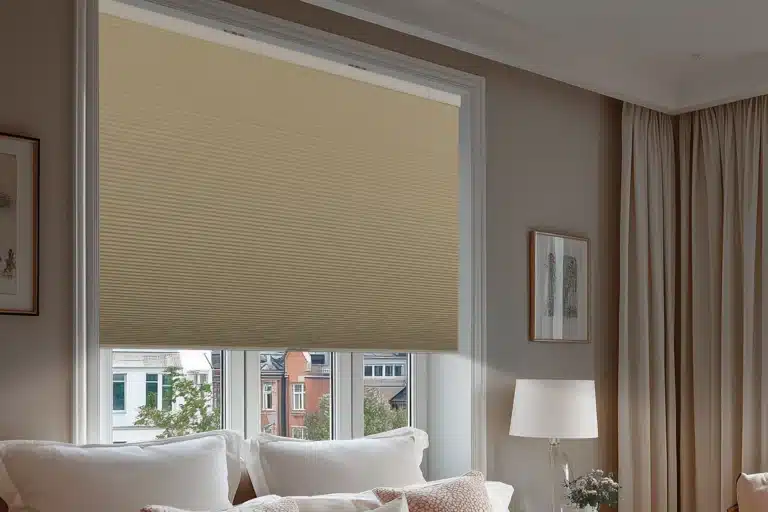
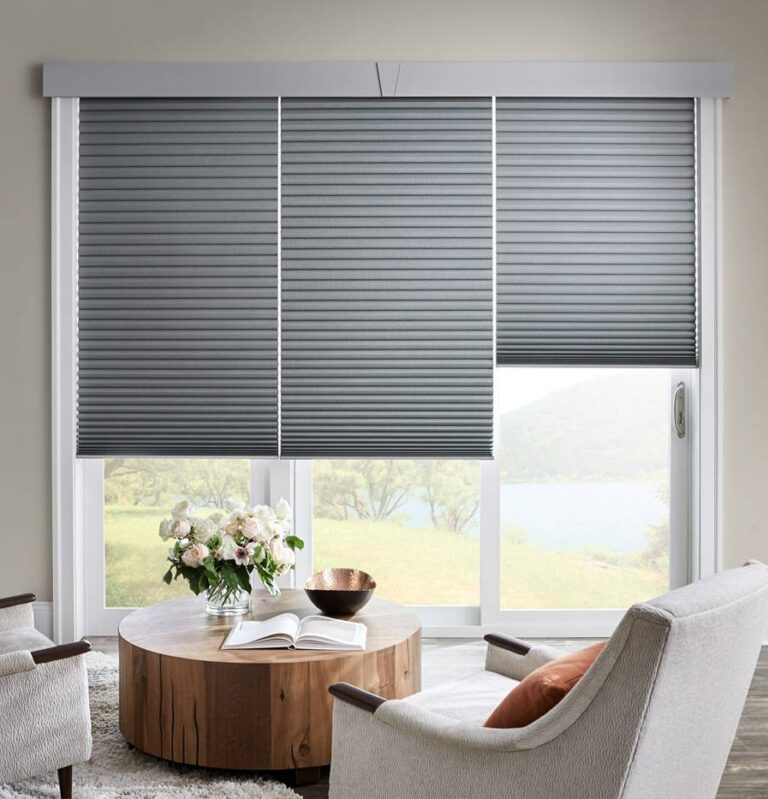
Cellular shades, also called honeycomb shades, feature a unique construction with air pockets that create insulating barriers between your window glass and your living room. For Sugar Land homes with large living room windows, this translates to measurable energy savings.
How Cellular Construction Works
The honeycomb cells trap air—a poor conductor of heat—creating a buffer zone. Single-cell shades provide moderate insulation, while double-cell and triple-cell options increase the R-value significantly. According to the Attachments Energy Rating Council, cellular shades can reduce heat gain through windows by up to 80% when properly fitted (Source: AERC, 2023).
For your Telfair home with those popular 8-foot sliding glass doors opening to the patio, properly installed cellular shades can reduce cooling costs by 15-25% compared to uncovered windows (Source: ENERGY STAR, 2024). That’s not a small number when your July CenterPoint bill already pushes past $300.
Cellular Shade Advantages for Sugar Land
- Superior insulation against Sugar Land’s 95°F+ summer days
- Cordless and motorized options ideal for large living room windows
- Light filtering to blackout varieties for west-facing rooms
- Clean, contemporary appearance matching transitional home styles
- Lower long-term operating costs through reduced HVAC strain
Cellular Shade Limitations
Cellular shades excel at function but offer less design versatility than roman shades. The fabric options, while varied, don’t provide the same textural richness or pattern variety. For homeowners in master-planned communities where interior design matters as much as performance, this trade-off requires consideration.
Roman Shades: Where Aesthetics Meet Function
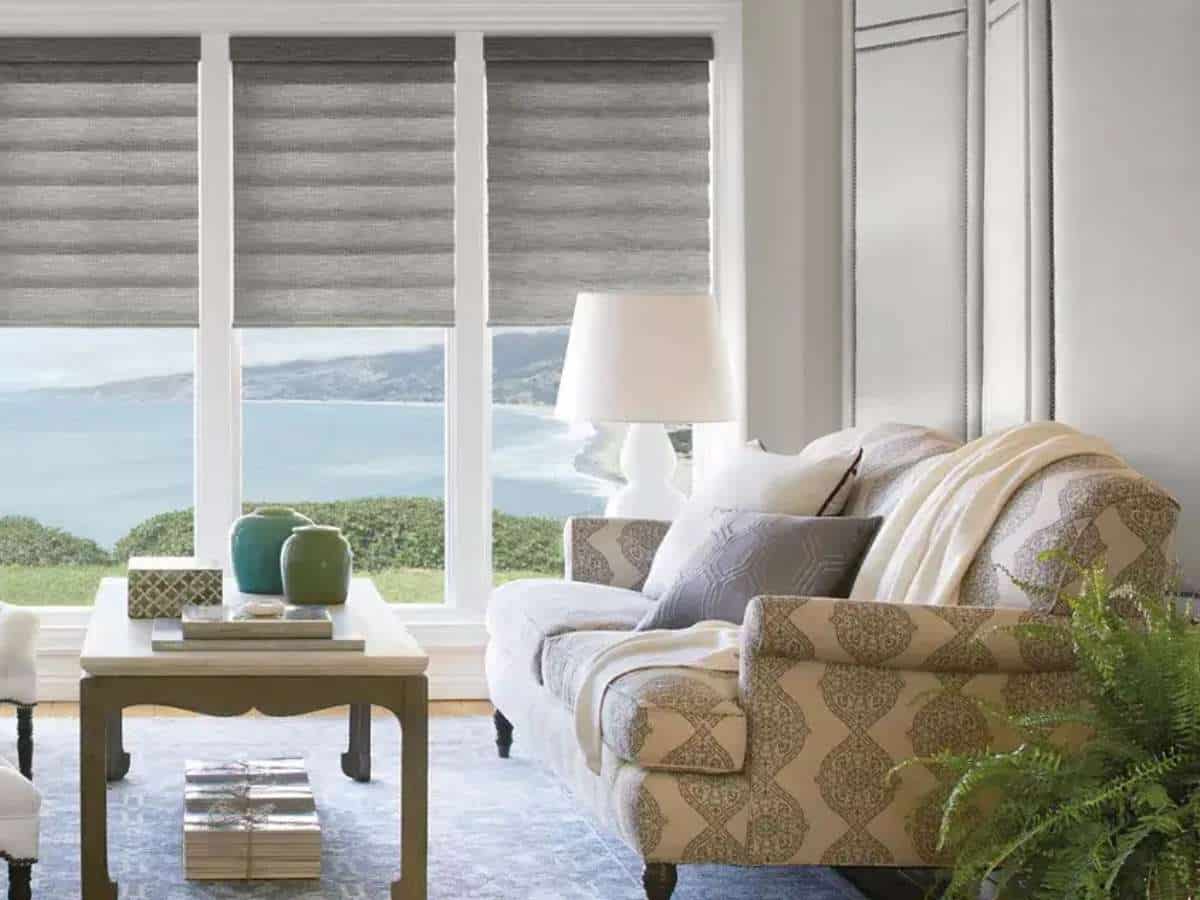
Roman shades fold into elegant horizontal pleats when raised, creating a softer, more traditional appearance that complements many Sugar Land home styles. From the traditional brick facades near Smart Financial Centre to the transitional designs throughout Sweetwater, roman shades offer design flexibility that cellular shades simply cannot match.
Style Options for Sugar Land Interiors
Roman shades come in flat-fold, hobbled, relaxed, and balloon styles—each creating a distinctly different visual effect. For the popular open floor plans in Riverstone, a flat-fold roman shade in a textured neutral provides sophisticated coverage without overwhelming the space.
Pattern options range from subtle tone-on-tone textures to bold geometric prints. This versatility matters when you’re coordinating window treatments across a great room that combines living, dining, and kitchen spaces—a common layout in Sugar Land’s newer construction.
Roman Shade Advantages for Sugar Land
- Extensive fabric and pattern selection for custom design coordination
- Soft, elegant appearance suited to traditional and transitional homes
- Blackout lining available for west-facing living rooms
- Layering capability with sheers or drapery panels
- Higher perceived value for home staging and resale
Roman Shade Limitations
Standard roman shades provide less insulation than cellular options. The single layer of fabric, even with lining, doesn’t create the air-pocket barrier that makes cellular shades so effective against Sugar Land’s intense summer heat. Lined roman shades can reduce heat transfer by approximately 25-40% (Source: Hunter Douglas Energy Studies, 2022), compared to cellular shades’ 60-80% reduction.
Head-to-Head Comparison for Sugar Land Living Rooms
The following comparison addresses the specific concerns of homeowners in West Houston suburbs, where energy costs, architectural styles, and resale value all factor into window treatment decisions.
| Feature | Cellular Shades | Roman Shades |
|---|---|---|
| Heat Blocking | 60-80% reduction | 25-40% reduction (lined) |
| Energy Savings | 15-25% on cooling costs | 10-15% on cooling costs |
| Design Versatility | Moderate | Excellent |
| Pattern Options | Limited | Extensive |
| Maintenance | Low (dust with brush) | Moderate (professional cleaning) |
| Durability | 8-12 years typical | 10-15 years typical |
| Price Range (per window) | $150-$450 | $200-$600 |
| Best For | Maximum efficiency | Design-forward spaces |
The Sugar Land-Specific Verdict
For west and south-facing living room windows in Sugar Land, cellular shades deliver superior return on investment through energy savings. For north and east-facing windows where heat gain is less severe, roman shades offer comparable performance with enhanced aesthetic appeal.
Many Telfair and Riverstone homeowners choose a hybrid approach: cellular shades on the windows taking the brunt of afternoon sun, roman shades on accent windows where design impact matters more than thermal performance.
Making the Right Choice for Your Sugar Land Home
Your decision ultimately depends on which factor matters most for your specific living room. Consider these questions:
Choose cellular shades if:
- Your CenterPoint Energy bills regularly exceed $250 in summer months
- Your living room faces west or south with significant sun exposure
- You prefer a clean, contemporary aesthetic
- Energy efficiency is your top priority
Choose roman shades if:
- Your home features traditional or transitional architecture
- Design coordination with existing decor is essential
- Your windows face north or east with moderate sun exposure
- You plan to sell within 5 years and want high visual impact
“The best window treatment is the one you’ll actually use consistently. The most energy-efficient shade in the world saves nothing if it stays raised all day because you don’t like how it looks.” — Window Covering Manufacturers Association Guidelines, 2023
Why In-Home Samples Matter
Sugar Land homes vary significantly in natural light depending on lot orientation, tree coverage, and neighboring structures. What works beautifully in a Sweetwater model home may look completely different in your Riverstone living room with mature oak trees filtering the afternoon sun.
Seeing fabric samples, cellular shade materials, and color options in your actual space—under your specific lighting conditions—prevents expensive mistakes. The $15,000 you’re about to invest in living room window treatments deserves more than a showroom visit or online swatches.
Request your free in-home samples of both roman and cellular shades and see exactly how each option performs in your Sugar Land living room before making a commitment.
Frequently Asked Questions
Which shade type lasts longer in Sugar Land’s intense sun?
Both cellular and roman shades can experience UV degradation over time. With proper UV-resistant fabrics, expect cellular shades to maintain appearance for 8-12 years and quality roman shades for 10-15 years. Rotating shades seasonally or using UV-protective window film extends lifespan significantly.
Can I motorize both shade types for my large living room windows?
Yes, both cellular and roman shades offer motorization options compatible with smart home systems. For Sugar Land homes with 10-foot ceilings and floor-to-ceiling windows common in Riverstone and Telfair, motorization isn’t just convenient—it ensures shades are actually used consistently for maximum energy benefit.
Do professional installers make a difference?
Absolutely. Improper measurements or installation gaps can reduce cellular shade effectiveness by up to 40% (Source: AERC Installation Standards, 2023). Professional installation ensures inside-mount shades fit precisely, eliminating air gaps that let conditioned air escape and hot air infiltrate your living space.
Ready to see which shade style transforms your Sugar Land living room? Schedule your free in-home consultation and compare both options in your actual space with samples you can touch, test, and evaluate under your home’s natural lighting conditions.
Frequently Asked Questions
How much can cellular shades reduce my CenterPoint Energy bill compared to roman shades?
Cellular shades typically reduce cooling costs by 15-25% compared to uncovered windows, while lined roman shades achieve 10-15% reduction. For a Sugar Land home averaging $300 monthly summer bills, cellular shades could save $45-75 per month versus $30-45 for roman shades during peak cooling season.
Are roman shades or cellular shades better for Sugar Land homes with pets and children?
Cellular shades offer safer cordless options as standard features, making them ideal for homes with young children or curious pets. Roman shades traditionally used cords but now offer cordless lift systems and motorization. Both types meet current child safety standards when specified with cordless operation.
Can I combine roman and cellular shades in the same Sugar Land living room?
Combining both shade types works well when matched in color family and operating style. Many Sweetwater and Telfair homeowners use cellular shades on sun-intensive windows and roman shades on accent windows or as a design focal point, achieving both energy efficiency and visual interest throughout open floor plans.